


Louis Theroux is a British-American documentary filmmaker, journalist, and author renowned for his unique, understated style of investigative reporting. Over a career spanning nearly thirty years, he has become one
Louis Theroux is a British-American documentary filmmaker, journalist, and author renowned for his unique, understated style of investigative reporting. Over a career spanning nearly thirty years, he has become one
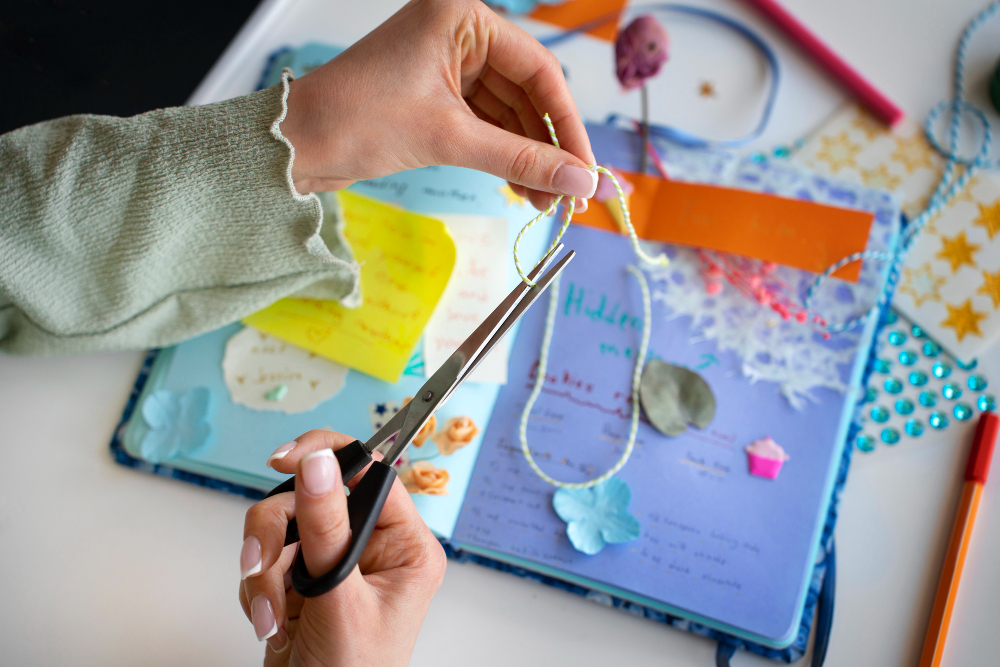
In a world where digital screens and online classes often dominate the educational landscape, it’s easy to forget the value of getting your hands dirty—literally. But there’s something truly powerful about incorporating craft and hands-on activities into learning. It’s not just about making pretty project displays or boosting fine motor skills; it’s about transforming the way we understand and connect with knowledge itself. Craft-based learning taps into our innate desire to create and manipulate materials. Whether it’s woodworking, sewing, pottery, or simple paper crafts, engaging physically with materials helps make lessons more vivid and memorable. Psychologists have long argued that active involvement deepens understanding, and numerous studies back this up. For example, students who build models or craft experiments tend to remember concepts longer than those who only read about them or listen to lectures. One of the biggest perks of craft in education is that it promotes a “learning by doing” approach. Instead of passively absorbing information, students become active participants. Take science classes, for instance. Instead of just reading about the water cycle, students can build a terrarium or create a model that visually demonstrates how evaporation and condensation work. This hands-on approach makes the abstract concrete, making complicated ideas easier to grasp. Craft activities also boost creativity and problem-solving skills. When students are given raw materials and a vague goal, they instinctively start experimenting—making mistakes, adjusting, and ultimately discovering solutions. This process cultivates resilience and critical thinking, skills that are crucial far beyond the classroom. Moreover, craft-based learning nurtures patience and attention to detail. Completing a craft project requires planning, precision, and persistence—important traits that carry over into other areas of study and life. And let’s not forget about the confidence boost! Successfully creating something tangible gives students a sense of accomplishment they can carry with them, making them more willing to tackle new challenges. In addition to cognitive benefits, craft activities foster social skills and teamwork. Group projects like building a community sculpture or assembling a collaborative mosaic require communication and cooperation. These shared experiences help students develop empathy and understanding, which are essential for a healthy learning environment. Finally, engaging in craft connects students to cultural and historical contexts. Creating traditional crafts, learning about artisans’ techniques, or exploring craft-related stories immerses learners in a broader cultural dialogue. It’s a way of seeing knowledge as a living, breathing tradition rather than just facts on a page. All of this points to a simple truth: incorporating craft and hands-on learning into education doesn’t only make lessons more engaging, it transforms how students understand, retain, and relate to knowledge. It makes learning tangible, fun, and meaningful—preparing students not just academically, but as creative, resilient, and curious individuals ready to face the world.

When it comes to understanding how local economies thrive, especially in today’s fast-paced digital world, one often overlooked hero is craftsmanship. Think about those cozy neighborhood markets, artisan workshops, or quirky boutiques — what’s behind their charm isn’t just good taste, but a deep-rooted commitment to handmade production. These craftspeople do more than just create beautiful or functional items; they help keep local economies vibrant and resilient. First off, craftsmanship creates jobs. When artisans choose to produce handmade goods, they often employ others—whether it’s apprentices, fellow artisans, or local suppliers. Unlike factories churning out mass-produced items, these small-scale operations tend to be tightly woven into their communities. That means money stays local: from purchasing raw materials to paying employees, the financial flow benefits the neighborhood directly. In turn, this supports a range of local businesses, like material suppliers, logistics companies, and retailers, creating a ripple effect that bolsters the entire local economy. Another biggie is the appeal of authentic, high-quality products. More and more consumers are craving something unique—a piece with a story, built with care and skill. Handmade goods often have a distinct character and durability that mass-produced items can’t match. This demand doesn’t just make these businesses sustainable; it allows artisans to command better prices for their craftsmanship, which helps sustain their livelihoods and promotes continued investment in their skills and local resources. Plus, craftsmanship often champions sustainability. Many artisans prioritize eco-friendly materials and traditional techniques that minimize waste and reduce the carbon footprint compared to industrial manufacturing. This eco-conscious approach appeals to increasingly environmentally aware consumers, encouraging a shift toward more sustainable consumption patterns within local markets. When done well, sustainable craftsmanship can be a catalyst for broader community efforts—like local recycling initiatives or organic farming—that further strengthen local economies. And let’s not forget the cultural value. Handmade craftsmanship is often tied to local heritage, traditions, and identity. Supporting artisans helps preserve these cultural assets, which can attract tourism and generate additional income. Visitors come for the story behind the products and leave with a deeper appreciation (and often a souvenir) that keeps local culture alive and relevant. The modern perspective on craftsmanship also recognizes its role in fostering innovation. Handmade artisans frequently experiment with new techniques or materials, blending tradition with modern trends. This creative spark can lead to new products, services, or business models that give local economies a competitive edge. Of course, challenges remain—like the need for adequate marketing, reaching broader markets, or competing with mass production's low prices. But as consumers become more discerning and eager to support sustainable, authentic products, the value of craftsmanship in nurturing resilient local economies continues to grow. In short, craftsmanship isn’t just about making beautiful or functional objects; it’s a vital driver for economic stability, cultural preservation, and environmental sustainability at the community level. In an era of globalization and mass production, embracing and elevating handcrafted production can be a smart move towards more authentic, sustainable, and thriving local economies.

When it comes to creating art, craftsmanship, or handcrafted products, the materials artisans choose can make all the difference—not just in how their work looks, but in how it feels, lasts, and resonates with their audience. In today’s creative landscape, material analytics—meaning the study and understanding of materials’ performance, sustainability, and appeal—are transforming the way artisans make decisions about what resources to use. So, what resources are today's artisans leaning toward? Let’s take a deeper dive into the trends, preferences, and insights shaping material choices across the craft world. First off, sustainability is a huge driver in material selection. Many artisans today prioritize eco-friendly and ethically sourced materials, not only because it aligns with their values but also because consumers are demanding more responsible production. Reclaimed wood, recycled metals, and organic fabrics top the list of popular sustainable resources. For example, in woodworking and furniture making, artisans often favor reclaimed wood due to its rich history, unique character, and lower environmental impact compared to newly harvested timber. Similarly, in textile arts, organic cotton, hemp, and bamboo are favored given their renewability and the minimal chemical processing involved. In addition to sustainability, the feel and texture of materials are crucial. Artisans often perform tactile assessments—feeling the weight, smoothness, or roughness—to determine if a material will bring their vision to life. Leather, for example, remains a favorite in fashion accessories; however, there’s a shift toward plant-tanned and vegan alternatives like cork or mushroom leather, which offer similar durability without compromising ethics. Clay and ceramic artists prefer locally sourced clay that offers the right consistency, and many now rely on data-driven insights about mineral compositions and firing properties to select the best suited types. Technology also plays a role. Advanced analytics and material databases help artisans understand how different resources perform under various conditions. For example, artisans working with glass might analyze thermal expansion data to choose the best composition that resists cracking. Similarly, in metalworking, knowledge about alloy composition helps in selecting metals that are both strong and easy to work with, reducing waste and improving efficiency. One interesting trend is the resurgence of natural dyes and pigments in textile and ceramic arts. Artisans increasingly prefer plant-based dyes, which can be cultivated sustainably and color-shift in beautiful, unpredictable ways over time—adding a layer of authenticity and connection to nature that synthetic dyes can’t match. There’s also an analytical aspect here: understanding the chemical properties of different plants helps artisans produce consistent, vibrant shades and optimize dyeing processes. Materials analytics also extend into the realm of performance. For instance, artisans creating outdoor sculptures or functional ware need materials that withstand weather, UV exposure, or frequent use. By analyzing durability and weather-resistance data, artisans can select resources that will stand the test of time, reducing maintenance and replacement needs. Finally, personal preferences, cultural influences, and local availability continue shaping material choices. In some regions, certain resources—like specific woods, stones, or fabrics—are more accessible and culturally significant, influencing what artisans prefer to work with. In conclusion, today’s artisans are more informed and purposeful than ever when choosing materials. They lean on a mix of traditional knowledge, scientific data, and sustainability considerations to select resources that not only fulfill their creative visions but also align with their values and practical needs. As tools for material analytics become more accessible and sophisticated, expect to see even more innovative, responsible, and expressive material choices shaping the future of craftsmanship.

In today’s world, where smartphones buzz at every turn and digital screens dominate much of our daily lives, it’s easy to forget about the art and skill of traditional crafting. Yet, these age-old techniques—whether weaving, pottery, woodworking, or embroidery—are more than just remnants of the past; they’re vibrant practices that continue to inspire, connect communities, and preserve cultural heritage. So, what’s the deal with traditional crafts in a world obsessed with instant gratification and high-tech solutions? Well, it turns out that even in our digital age, there’s a growing appreciation for the beauty, patience, and authenticity found in handcrafted objects. First off, why do traditional crafting techniques matter today? For starters, they connect us to history and cultural identity. Many communities have relied on specific crafts for generations, passing down skills through families and apprenticeships, creating a rich tapestry of cultural expression. These crafts often involve intricate, time-consuming processes—think of handwoven textiles or hand-carved wooden furniture—that can’t be replicated by machines. In a sense, they’re a form of storytelling, a way to keep traditions alive in a rapidly changing world. Moreover, there’s a certain appeal to handcrafted items that digital counterparts simply can’t match. When you pick up a handmade ceramic mug or a woven basket, you’re holding a piece of someone’s craftsmanship, imbued with their time, effort, and cultural nuances. The imperfections, the unique quirks—these are what make such items special, adding character and a sense of authenticity that mass-produced goods often lack. Interestingly, the rise of digital platforms and social media has actually helped to revive interest in traditional crafts. Bloggers, Instagrammers, and YouTubers are showcasing the beauty of handcrafted work, from step-by-step weaving tutorials to pottery demos. This visibility not only spreads awareness but also creates new markets for artisans, connecting them with buyers around the globe who are eager to support sustainable, handmade goods. Platforms like Etsy, for example, have become havens for artisans to sell their crafts beyond physical markets, allowing small-scale creators to reach an international audience. However, blending traditional techniques with modern technology isn’t always straightforward. Some artisans are hesitant to incorporate digital tools, fearing it might dilute the authenticity of their craft. Others are experimenting with new methods, like using 3D printing to create molds for pottery or digital design software to plan intricate embroidery patterns. These innovations can make certain processes more efficient or accessible, opening doors for younger generations to learn and carry on their craft in ways that weren’t possible before. Yet, there’s a delicate balance. Preserving the essence of traditional techniques while embracing technological advancements requires sensitivity and respect. It’s about leveraging tools to enhance craft, not replace its core values. For example, digital tutorials can democratize knowledge, helping people worldwide learn skills that might otherwise be inaccessible. Meanwhile, artisans can use social media to tell stories about their craft’s history and significance, fostering appreciation and demand. In the end, it’s clear that traditional crafting techniques aren’t just relics of the past—they’re vibrant, living practices that continue to adapt and thrive in the digital age. They remind us that, even amidst screens and pixels, there remains a deep human desire to create, connect, and preserve cultural identity. Whether through a handwoven tapestry or a virtual workshop, these crafts endure because they’re rooted in craftsmanship, community, and the timeless human need to make beauty by hand.

Graham Norton is widely regarded as one of the most influential and successful television hosts in the United Kingdom. Born Graham Walker in Dublin, Ireland, in 1963, he has built

Alice Weidel ist eine der zentralen Figuren der deutschen Politik als Co-Parteivorsitzende der Alternative für Deutschland (AfD) und Vorsitzende der AfD-Bundestagsfraktion. In den vergangenen Wochen stand sie erneut im Mittelpunkt

Markus Lanz gehört zu den bekanntesten und einflussreichsten Fernsehmoderatoren Deutschlands. Seit vielen Jahren prägt er mit seiner gleichnamigen Talkshow das politische und gesellschaftliche Gespräch im deutschen Fernsehen und ist insbesondere