

Friedrich Merz gehört zu den prägendsten Persönlichkeiten der deutschen Politik. Als Vorsitzender der CDU und Oppositionsführer im Deutschen Bundestag steht er regelmäßig im Mittelpunkt politischer Debatten und medialer Aufmerksamkeit. In
Friedrich Merz gehört zu den prägendsten Persönlichkeiten der deutschen Politik. Als Vorsitzender der CDU und Oppositionsführer im Deutschen Bundestag steht er regelmäßig im Mittelpunkt politischer Debatten und medialer Aufmerksamkeit. In

Louane Emera est une chanteuse et actrice française qui s’est fait connaître auprès du grand public au début des années 2010. Depuis ses premières apparitions à la télévision, elle a

Bernard Arnault est un entrepreneur français largement reconnu dans le monde des affaires. Il est souvent cité parmi les dirigeants qui ont profondément influencé l’industrie mondiale du luxe. Au cours

Marine Le Pen est l’une des personnalités politiques les plus connues en France. Depuis plusieurs années, elle occupe une place importante dans le débat public et dans la vie politique
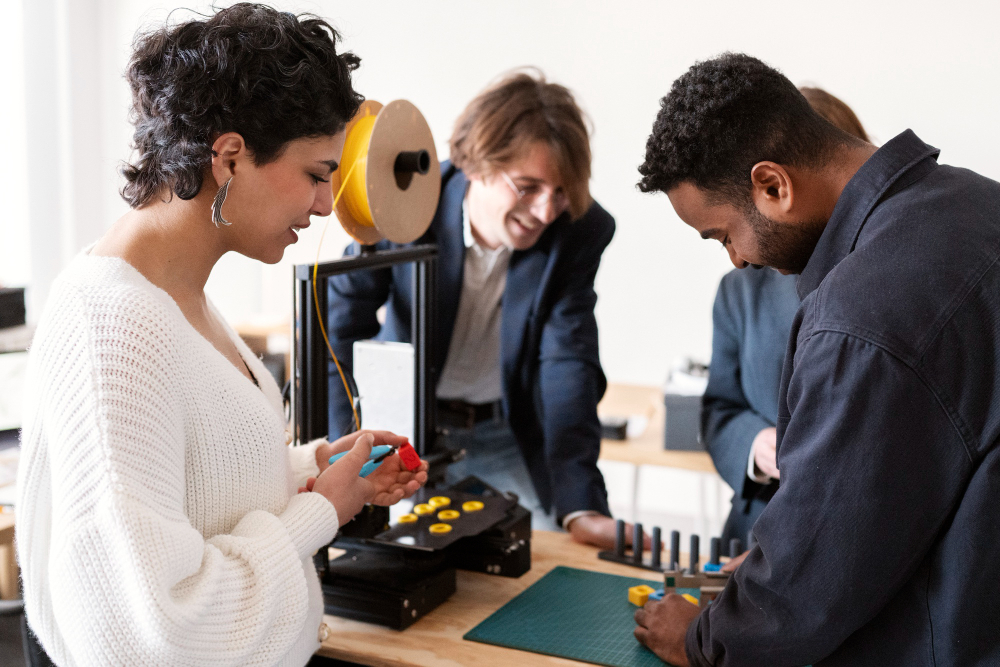
Sure! Here's an excerpt for your article on how emerging technologies are transforming handcraft in 2025: --- **How Emerging Technologies Are Reshaping Handcraft in 2025** Hey there, craft enthusiasts! If you thought traditional handcraft was all about sweat, patience, and a dash of magic, think again. In 2025, the scene is buzzing with tech innovations that are giving age-old artisan skills a fresh, futuristic twist. It’s a wild fusion of the old and the new, making handcrafted goods more innovative, precise, and even more sustainable. First up, **3D printing** is making quite the splash. Known for rapid prototyping and industrial uses, 3D printers are now being used by artisans to produce intricate jewelry, pottery, and custom-made home decor. Artists can sketch a design on their tablet, convert it into a 3D model, and print it out in ceramic or metal. This not only speeds up the creative process but also allows for complex designs that would be nearly impossible by hand. Imagine a ceramic vase with delicate, complex patterns—tricky to craft manually but easily done with a 3D printer. Next, **AR and VR (Augmented and Virtual Reality)** are revolutionizing how artisans learn and showcase their work. Many craft schools now incorporate AR glasses, letting students see virtual step-by-step guides overlaid on their real work. Meanwhile, VR platforms offer virtual galleries, where artisans can display their creations to a global audience without leaving their workshop. This democratizes access, making it easier for small artisans to reach customers worldwide. Then, there's **AI-powered design tools** that act like a creative co-pilot. These tools analyze trends, suggest color palettes, or even generate custom patterns based on user preferences. For handcrafted textiles, for example, AI can assist in designing unique patterns that are culturally inspired yet contemporary. Some artisans also use AI to optimize material usage, reducing waste—an important step for eco-conscious craft. Sustainability is another big player in the game. Emerging tech like **biofabrication**—growing materials in labs from natural substances—means artisans can now craft jewelry or accessories using materials like lab-grown leather or bioplastics. This minimizes environmental impacts, aligning beautifully with the ethos of many handcrafted communities that value eco-awareness. Furthermore, **IoT (Internet of Things)** devices embedded in craft tools are helping artisans maintain their equipment better and streamline their workflow. Imagine a potter’s wheel linked to sensors that monitor its performance, alerting the artist when maintenance is needed, or even adjusting speed automatically for perfect results. All these innovations are shaping a new era for handcraft: one where tradition meets technology. While some purists might worry about losing the human touch, most see these tools as amplifiers—empowering artisans to push creative boundaries, increase efficiency, and reach wider audiences without sacrificing the soul of handcrafted work. The future of handcraft in 2025 isn’t about replacing artisans; it’s about giving them new superpowers. --- Let me know if you'd like me to continue or adjust the tone!
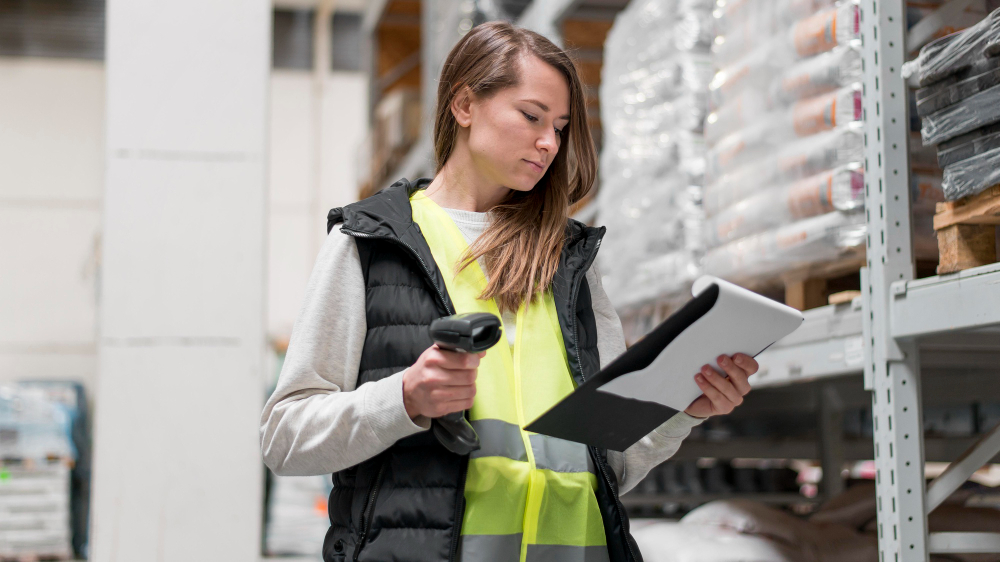
Running a small workshop can feel a bit like juggling—there’s so much to keep track of, from tools and parts to delivery schedules and customer orders. That's where a solid inventory and logistics system really makes a difference. Over the years, I’ve seen firsthand how even simple tweaks can turn cluttered chaos into streamlined efficiency, saving time, money, and headaches. First off, it’s important to realize that you don’t need a massive, expensive software package to get started. Many small workshops thrive with straightforward solutions—think spreadsheets, basic stock management apps, or even pen-and-paper systems when things are tight. The key is to develop a routine for logging everything accurately and consistently. For instance, creating a dedicated inventory register where every incoming tool or part gets recorded helps prevent surprises. Regularly updating this log keeps you aware of stock levels, so you don’t run out of essentials or end up with excess unusable items taking up space. A common practical tip I’ve picked up: organize your workshop into zones—storage for small parts, tools, finished products, etc.—and assign each zone a label. When restocking, you'll know precisely where items go, making both storing and retrieving faster. Label everything clearly; it might sound simple, but it pays off big time. Plus, leveraging bins or shelves with clear, visible labels helps everyone on your team stay consistent. Logistics isn’t just about where things are—it's also about timing. Having a simple reorder point system can keep your workshop humming. For example, if you typically use a certain bolt in bulk, set a minimum stock threshold. When your inventory dips below that point, it’s time to reorder, so you don't run out mid-project. This proactive approach minimizes downtime and ensures you can meet deadlines without last-minute scrambles. Real-world practice shows that pairing physical organization with digital tools can make a huge difference. Many small workshops use apps like Google Sheets or specialized inventory management apps designed for low-volume setups. These tools help track orders, monitor usage trends, and generate reports without requiring advanced tech skills. Another lesson learned: build relationships with reliable suppliers. When your vendors understand your needs and your reorder points, they can help you set up automatic alerts or scheduled deliveries. It prevents stockouts and keeps your workflow smooth. In terms of logistics flow, plan your workshop layout with efficiency in mind. Position frequently used tools and materials nearby your workstations. This reduces unnecessary movement, saves time, and keeps workspaces safer and cleaner. It’s also smart to review and tweak your system periodically. As your workshop grows, what worked when you had a handful of tools might need refining. Regular audits—perhaps monthly or quarterly—can help identify bottlenecks or excess inventory. To sum it up, effective inventory and logistics systems for small workshops hinge on simplicity, consistency, and smart organization. No need for complex tech—from good labeling and regular stock checks to building supplier relationships—small tweaks can lead to big improvements. The more you understand and organize your supplies and processes, the more you can focus on what you do best: creating quality work for your customers. It's about making systems work for *your* workshop, not the other way around.
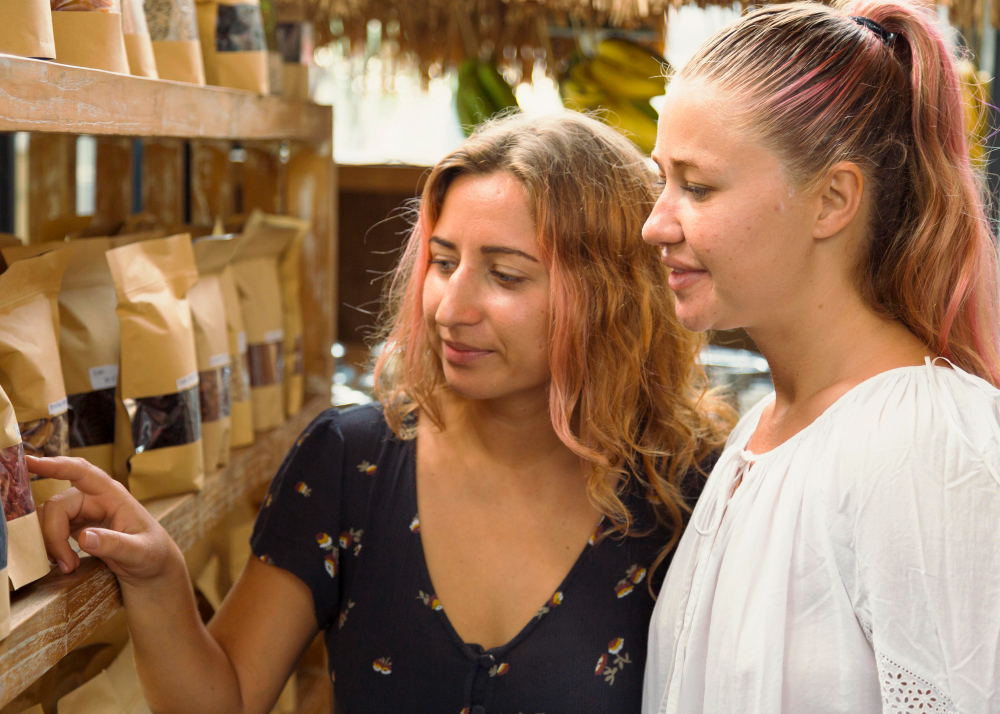
In recent years, there's been a noticeable shift in the way we think about how things are made. Gone are the days when mass production ruled the market, churning out endless versions of the same product in vast factories, often at the expense of the environment. Today, more people are paying attention to the stories behind their goods—where they come from, how they're made, and what impact they leave on our planet. This movement is rooted in the idea of combining craft traditions with ecological awareness, moving away from the big, impersonal factories toward more localized, sustainable manufacturing practices. So, what exactly does "craft and ecology" mean? Simply put, it’s about merging the old-school approach of handcrafted, artisanal work with eco-friendly practices. Think of it as restoring the human touch and craftsmanship to products while making sure we’re not damaging the environment. This approach emphasizes quality over quantity, encouraging small-scale production, often done by artisans or local makers who care deeply about their craft and the ecological footprint involved. One of the main drivers behind this shift is the growing concern over the environmental impacts of mass production. Large factories often rely heavily on fossil fuels, produce significant waste, and sometimes use chemicals that aren’t exactly environmentally friendly. Plus, the bulk manufacturing model leads to excessive waste, overconsumption, and long-distance shipping that adds to carbon emissions. Moving toward local manufacturing not only reduces these factors but also supports local economies and preserves traditional craft techniques. Another exciting aspect of this movement is the rise of community-based workshops and small studios. Many artisans are embracing sustainable materials—like organic cotton, recycled metals, and locally sourced wood—and are creating products in smaller batches. This way, they minimize waste and overproduction, and can respond more directly to what their community actually needs. It’s about creating a more conscious consumption cycle, where buyers value uniqueness, durability, and the story behind each item. Technology also plays an interesting role here. Modern tools like 3D printing and CNC machines allow small-scale manufacturers to produce complex designs with less waste and more precision. These innovations help keep the craft alive while aligning with eco-friendly goals. Moreover, the power of social media and online marketplaces has made it easier than ever for local artisans to reach a global audience, sharing their craft and eco-conscious message far beyond their immediate community. This shift towards local and sustainable manufacturing has its challenges, too. It often requires more time, skill, and investment upfront compared to mass production. Prices can be higher, which might make it harder to compete on cheap, disposable goods. But for many consumers, the trade-off is worth it—buying something that’s made with care, from local materials, and with respect for the environment. In essence, moving from mass production to craft-based, local manufacturing represents a mindset change. It’s about valuing quality, tradition, and ecological responsibility over quantity and fleeting trends. As more people start to question where their stuff comes from and what it costs the planet, this movement could very well be the way forward toward a more sustainable, meaningful approach to manufacturing—and everyday life.
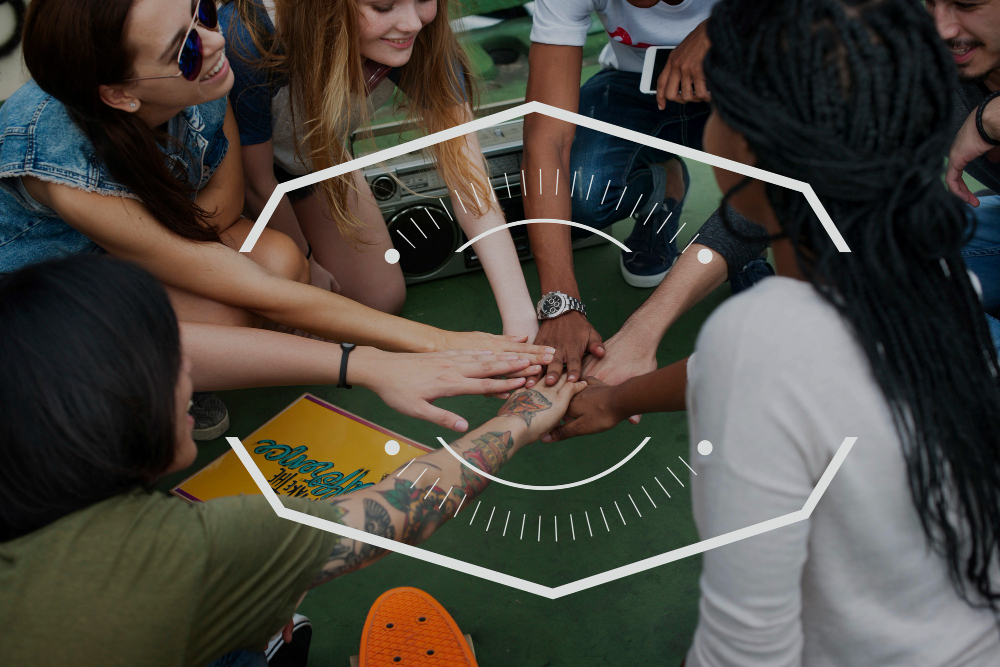
In recent years, the way makers—think DIY enthusiasts, hobbyists, and small-scale creators—connect with their communities has undergone a major shift, thanks to the rise of digital communication. Gone are the days when sharing ideas, collaborating on projects, or even seeking feedback meant physical meetups or mailing lists. Today, online platforms and digital tools have transformed these interactions into dynamic, instant, and more inclusive exchanges. One of the biggest game changers is social media. Platforms like Instagram, TikTok, and Facebook enable makers to showcase their projects to a global audience in real time. This instant access not only helps build a community around shared passions but also opens doors for feedback and collaboration that wouldn't be possible offline. For example, a woodworker in a small town can share their latest piece with thousands of interested viewers worldwide, gaining insights and tips from fellow makers, or even collaborating on ideas for future projects. Online forums and dedicated maker communities – such as Instructables, Reddit's r/DIY, or Maker Forums – foster another layer of collaboration. These spaces allow makers to ask questions, troubleshoot issues, and exchange ideas without geographical barriers. The beauty here is the diversity of perspectives participants bring; a beginner in one country might get advice from an experienced maker halfway across the globe. This democratization of knowledge helps accelerate learning curves and sparks innovation. Digital communication tools like video conferencing apps also enhance collaboration, especially for group projects and workshops. Virtual maker meetups or live-streamed tutorials create interactive environments where participants can get real-time feedback and support. During the COVID-19 pandemic, this shift to online engagement proved essential for keeping maker communities active and connected even when in-person events were impossible. Moreover, open-source philosophies thrive online. Makers often share their designs, code, or instructions freely, inviting others to modify or improve upon them. Websites like GitHub or Thingiverse exemplify this approach, enabling collective problem-solving and iterative development of projects. This collaborative spirit is further reinforced by crowdfunding platforms like Kickstarter, where makers can rally supporters and resources before even starting production. Digital communication also helps niche communities flourish. Whether it’s 3D printing, sustainable crafts, or robotics, online groups provide spaces where enthusiasts can find mentors, share resources, and celebrate successes. This sense of belonging and shared purpose empowers individuals who might otherwise feel isolated or unsupported locally. Of course, digital communication isn’t just about sharing; it’s also about learning and teaching. Makers are increasingly using platforms like YouTube or Twitch to teach skills, share processes, and inspire others. This peer-to-peer learning accelerates skill development and nurtures new generations of creators who might not have access to formal education programs. In short, digital communication has fundamentally changed how makers and communities interact. It breaks down geographical, financial, and social barriers, creating a global fabric of collaboration and innovation. This interconnectedness doesn’t just make projects more exciting; it fosters a culture of open sharing, learning, and collective growth—making the maker movement more vibrant than ever before.
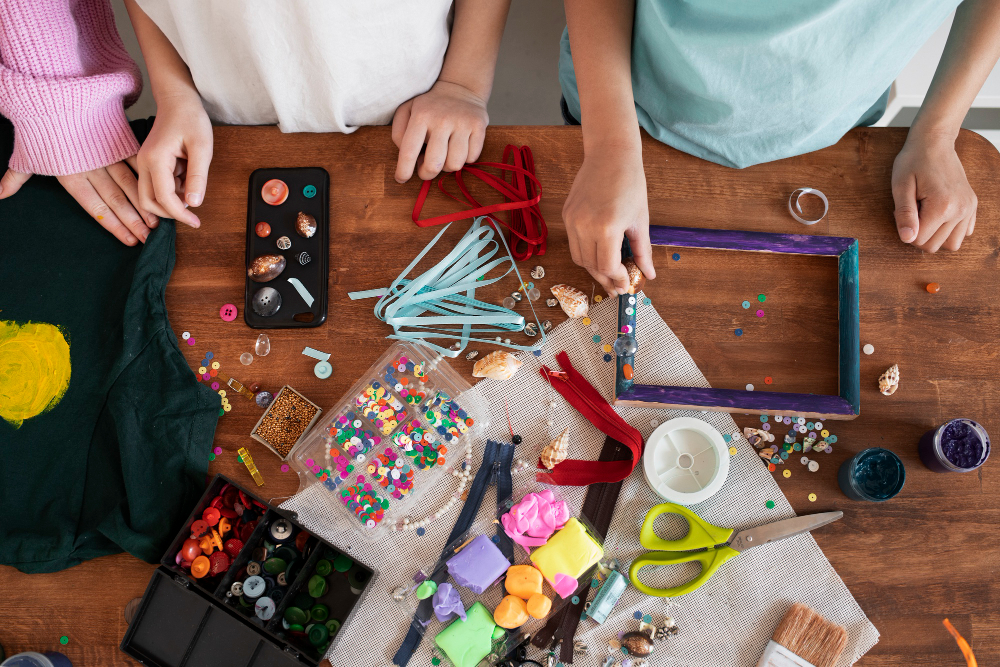
Craftsmanship has always been more than just making beautiful or functional objects; it's a way for communities to keep their history, stories, and identity alive. Across the globe, traditional crafts serve as living evidence of cultural heritage, passed down through generations, often adapting to modern times while still retaining their core essence. Let's take a journey through some inspiring examples where craft is a powerful tool for cultural preservation. In Japan, the art of *kintsugi*—the delicate process of repairing broken pottery with gold—is more than just fixing cracks. It embodies a philosophy of embracing imperfections and the history embedded within an object. This craft originated centuries ago, and today, its revival serves as a metaphor for resilience and cultural continuity. Many artisans are training new generations, ensuring this beautiful tradition continues to carry meaning and artistry. Moving to Africa, the Maasai people of Kenya and Tanzania are renowned for their beadwork jewelry. Far from mere adornment, these beads are a language—signaling social status, age, and cultural identity. With the influence of globalization and changing lifestyles, local artisans have faced pressure to abandon traditional techniques. But many are now leading efforts to incorporate Maasai beadwork into contemporary fashion, blending tradition with modern markets. This not only sustains the craft but also empowers local communities economically and culturally. In Central America, the indigenous Zapotec weavers of Oaxaca, Mexico, are famous for their intricate weaving patterns using natural dyes and traditional methods. Textile weaving here isn't just about producing cloth; it's a social act rooted in community and storytelling. Recognizing the value of these textiles, initiatives like cooperatives and fair trade organizations help artisans access global markets while preserving their techniques and motifs. These efforts ensure that the heritage is not only kept alive but also becomes a source of livelihood. In Indonesia, the art of batik—wax-resist dyeing—is a UNESCO recognized craft that holds deep cultural meaning. Different regions have unique patterns that symbolize local stories and beliefs. Batik artisans face challenges from mass-produced fabrics, but local communities and government programs have stepped in to promote authentic, handcrafted batik. Workshops and cultural festivals help spread awareness and appreciation, fostering pride and encouraging younger generations to learn the craft. Back in Europe, countries like Estonia are actively preserving their traditional knitwear and embroidery, often featured in national costumes. These traditions are kept vibrant through cultural festivals, educational programs, and design collaborations that incorporate traditional motifs into contemporary fashion. Such efforts reinforce a sense of national identity and ensure that these crafts stay relevant in modern life. Across the world, the common thread is clear: craft traditions are a vital part of cultural identity and history. They act as a bridge between generations, a way for communities to tell their stories, and an economic opportunity that sustains local livelihoods. Modern initiatives—combining traditional techniques with innovative approaches—are key to ensuring that these crafts don't fade into history but continue to thrive in the contemporary world. Whether through art, fashion, or community programs, craft is proving to be a powerful way to preserve and celebrate cultural heritage globally.
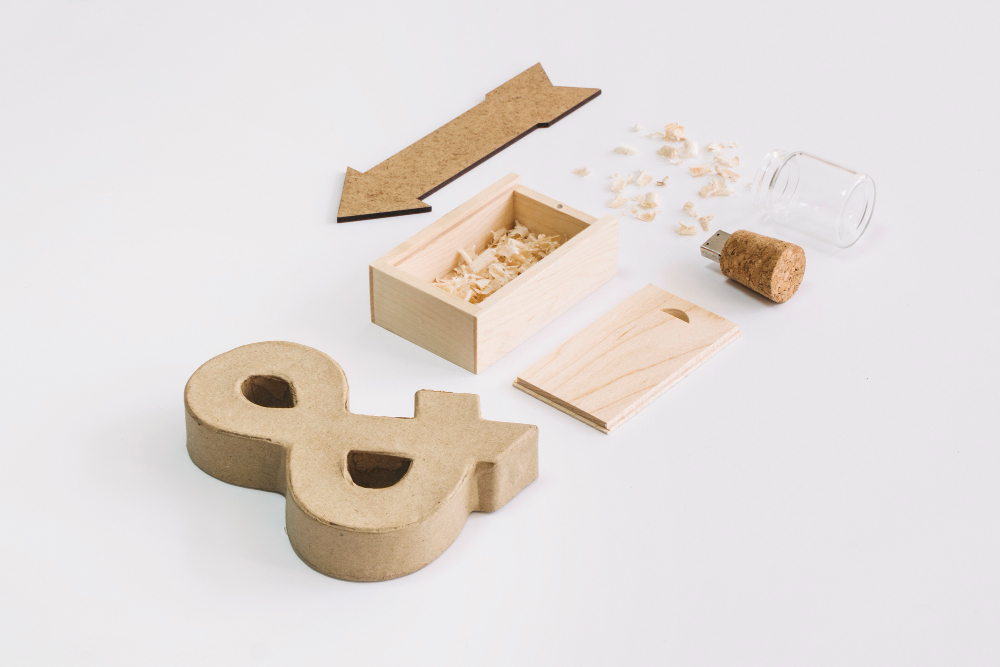
Sure! Here’s an excerpt for your article titled "From Concept to Finished Product: A Step-by-Step Approach to Sustainable Making" in an informal and informative tone, within the specified character range: --- Getting your ideas off the ground and turning them into a finished product that’s both awesome and eco-friendly can feel like a daunting puzzle. But don’t worry—breaking down the process into clear, manageable steps can make the journey way more approachable. Whether you're crafting handmade jewelry, designing eco-friendly clothing, or launching a sustainable tech gadget, a structured approach can help keep your project on track while respecting our planet. **Step 1: Brainstorm with Purpose** It all starts with an idea. But in sustainable making, it’s about more than just what you want to create—it’s about *why* you want to create it and *how* it can make a positive impact. Think about the problem you're solving and how your product can do so responsibly. Do a quick market check to see what's already out there and identify gaps or opportunities for eco-friendly improvements. **Step 2: Research & Sourcing** Now, dig into the nitty-gritty of materials and suppliers. Go for sustainable sources—think recycled, biodegradable, or ethically farmed materials. Do your homework: ask questions about production processes, certifications, and environmental policies. Connecting directly with suppliers can often reveal options you didn't find online. Remember, every choice you make here has a ripple effect on the environment and your brand’s integrity. **Step 3: Design with Sustainability in Mind** Design isn’t just about looks—it's about longevity, functionality, and minimizing waste. Use design principles that promote durability and easy repair. Opt for modular designs if possible—that way, parts can be replaced instead of the entire product. Think about packaging too—can you use minimal, compostable, or reusable packaging? Every detail counts. **Step 4: Prototype Thoughtfully** Time to test your ideas with prototypes. Keep your eco goals in focus: can you reduce material waste during production? Use recyclable or leftover bits creatively. This phase may involve a few iterations, but it helps ensure your final product is both functional and kind to the planet. **Step 5: Check & Refine** Once you have a prototype, gather feedback from potential users and sustainability experts. Are there ways to make it even greener? Sometimes small tweaks—like switching to a lower-impact dye or improving energy efficiency—can make a big difference. Be ready to refine and push your eco footprint even lower. **Step 6: Production & Partnerships** Moving into production, partner with manufacturers committed to sustainable practices. This can mean on-site renewable energy use, waste management programs, or fair labor policies. Transparency is key—share your sustainability standards with your partners and hold them accountable. **Step 7: Sustainable Packaging & Branding** Packaging is often the first thing a customer interacts with—make it count. Use recycled materials, promote minimalist packaging, and communicate your eco-commitment clearly. Your branding can highlight your sustainable journey, empowering consumers to feel good about their choice. **Step 8: Launch & Educate** When it’s time to roll out your product, tell your story. Customers love transparency and connection. Share details about your sustainable materials, ethical sources, and eco-friendly practices. This not only builds trust but inspires others to follow suit. **Step 9: Feedback & Continuous Improvement** Making sustainably doesn’t end at launch. Keep listening to your customers, monitor your supply chain, and stay open to new eco-friendly innovations. Small, consistent improvements over time can significantly boost your product’s sustainability profile. --- Remember, sustainable making isn’t just a checklist—it’s an ongoing journey. Each step offers an opportunity to make better choices, learn more, and contribute to a healthier planet. So, get inspired, stay curious, and turn your ideas into amazing, responsible products that make a difference! --- Would you like me to adjust the tone or add any specific details?