

Now Reading: François-Philippe Champagne: Architect of Canada’s Innovation and Industrial Strategy
-
01
François-Philippe Champagne: Architect of Canada’s Innovation and Industrial Strategy
François-Philippe Champagne: Architect of Canada’s Innovation and Industrial Strategy

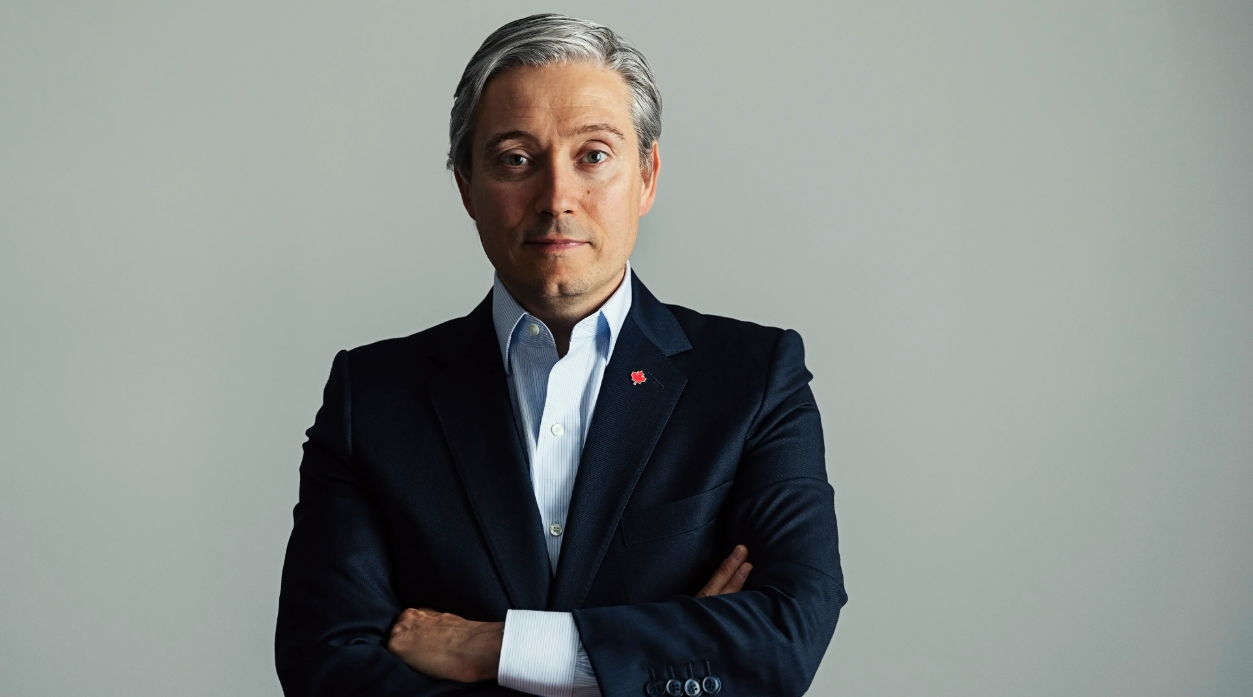
Introduction
François‑Philippe Champagne has emerged as one of the most influential figures in modern Canadian economic policy. Known for his pragmatic leadership and strong focus on industrial growth, Champagne has played a central role in shaping Canada’s approach to innovation, foreign investment, and technological sovereignty.
As Minister of Innovation, Science and Industry, his work sits at the intersection of global competition, national security, and economic resilience.
Early Life and Professional Background
Born in Quebec, Champagne built a strong academic foundation in law and business, studying at institutions in Canada, Switzerland, and the United Kingdom. Before entering politics, he had a highly successful international career in the private sector, including senior roles in engineering giant ABB.
This global exposure gave him a deep understanding of international markets, cross-border investment flows, and industrial development strategies—skills that later became central to his political work.
Political Rise and Ministerial Roles
Champagne entered federal politics as a member of the Liberal Party and quickly rose through the ranks. He has held several key positions, including:
- Minister of International Trade
- Minister of Foreign Affairs
- Minister of Innovation, Science and Industry
Each role strengthened his reputation as a strategic negotiator and policy executor.
As Foreign Affairs Minister, he navigated complex diplomatic relationships, including tensions with China and trade negotiations with global partners.
Industrial Policy and Economic Vision
Champagne’s tenure as Minister of Innovation has been defined by a strong emphasis on economic sovereignty and industrial resilience.
Key priorities include:
- Strengthening domestic manufacturing
- Attracting strategic foreign investment
- Securing supply chains (especially semiconductors and EV batteries)
- Supporting clean technology and green energy transition
He has been particularly active in positioning Canada as a leader in the electric vehicle (EV) supply chain, securing multi-billion-dollar investments from global automakers.
Strategic Investments and Controversies
Champagne has overseen large government incentives to attract multinational corporations. While these deals have been praised for creating jobs and boosting innovation, they have also sparked debate.
Criticism includes:
- Concerns about corporate subsidies
- Questions about long-term return on investment
- Transparency in negotiations
Supporters argue that such interventions are necessary in a competitive global environment where countries aggressively court strategic industries.
Leadership Style
Champagne is often described as:
- Detail-oriented
- Highly diplomatic
- Results-driven
He combines corporate discipline with political pragmatism, often emphasizing measurable outcomes over ideological positioning.
Conclusion
François-Philippe Champagne represents a modern technocratic approach to governance—focused on economic competitiveness, strategic investment, and global positioning.
His influence will likely continue to shape Canada’s industrial landscape for years to come, particularly as the country navigates the transition toward a green and digital economy.